
I am a senior and Notre Dame’s first African-American scholarship women's tennis player. I come from a family of Division I athletes; my dad played football at Notre Dame and my mom was captain of the Notre Dame field hockey team. You can probably imagine the devastation of recently learning that my collegiate athletic career was preliminarily cut short. After all, elite athletes like me have spent the last 14 years practicing 20+ hours a week. This is perhaps why the world often views athletes solely by what we do on the court. This is reflected in the hype about not having March Madness and the constant social media barrage of memes, TikTok videos, etc, about how people are entertaining themselves without sports. Recently, the topic of conversation was the postponement of professional sporting events and the Olympics. Yet, I believe I speak for athletes around the world when I say that we offer valuable life lessons to society beyond the scope of sports, especially in our collective fight against COVID-19.
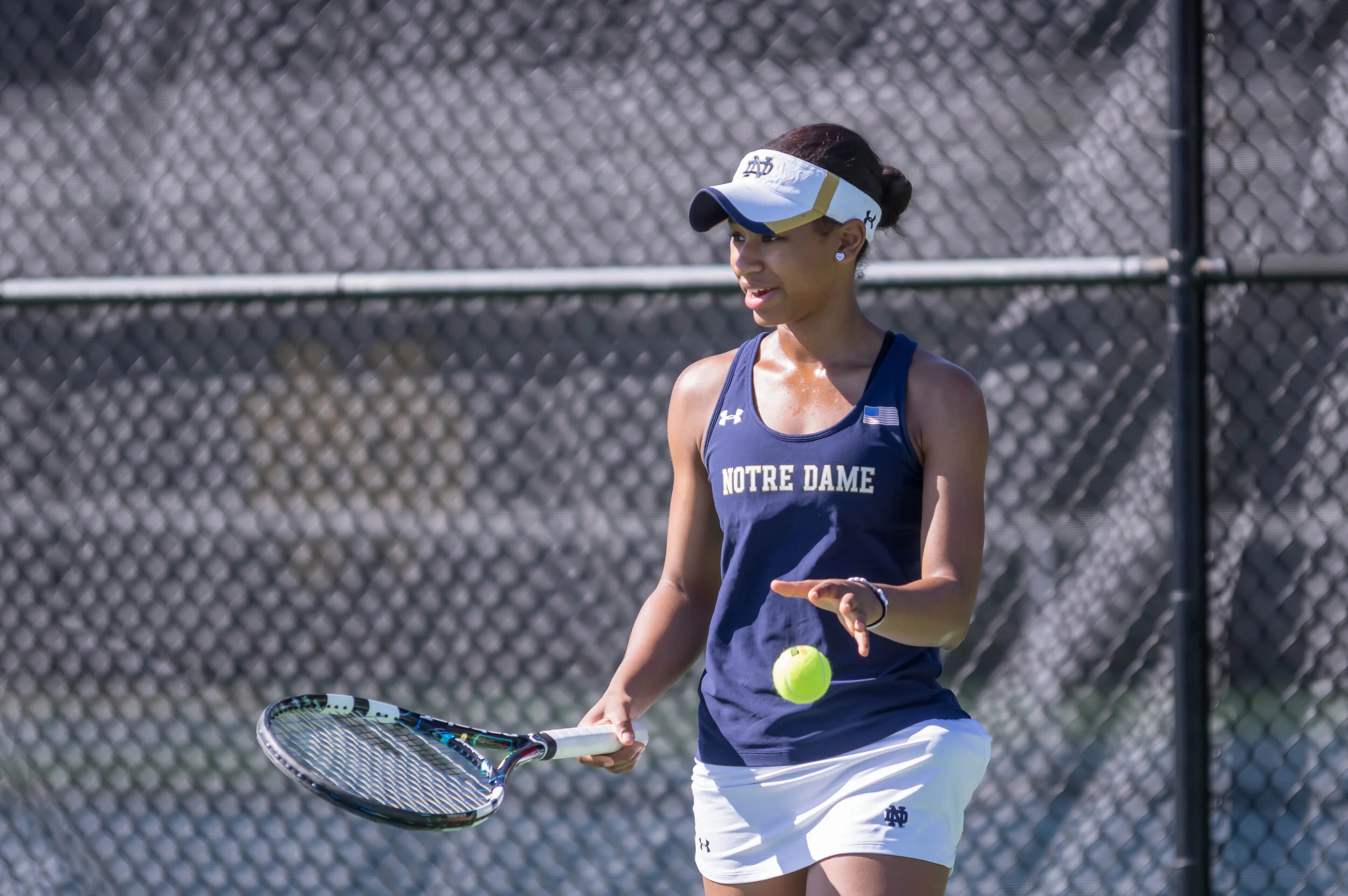
The challenge before us isn’t wholly new. In 2016, Olympic athletes in Brazil confronted the Zika virus, demonstrating to the world their commitment to sports and to their countries. On the home front, I also made a significant commitment, signing on as the first African American scholarship player in Notre Dame’s 40+ year history in women’s tennis. Creating a pathway for others to follow was an opportunity to demonstrate leadership, but the uncertainty of never having been in this situation before was daunting. I imagine this is how many feel right now, especially healthcare providers and others on the frontline.
Thus far, my college tennis career has involved the expected highs and lows that accompany big wins and unexpected losses. However, it might be surprising for people to know that the most important aspect of my college career has actually revolved around off-court team leadership opportunities and challenges as Notre Dame’s ‘first’. Three important lessons emerge from these experiences that I believe define me as a collegiate athlete, and that directly align with what society needs right now.
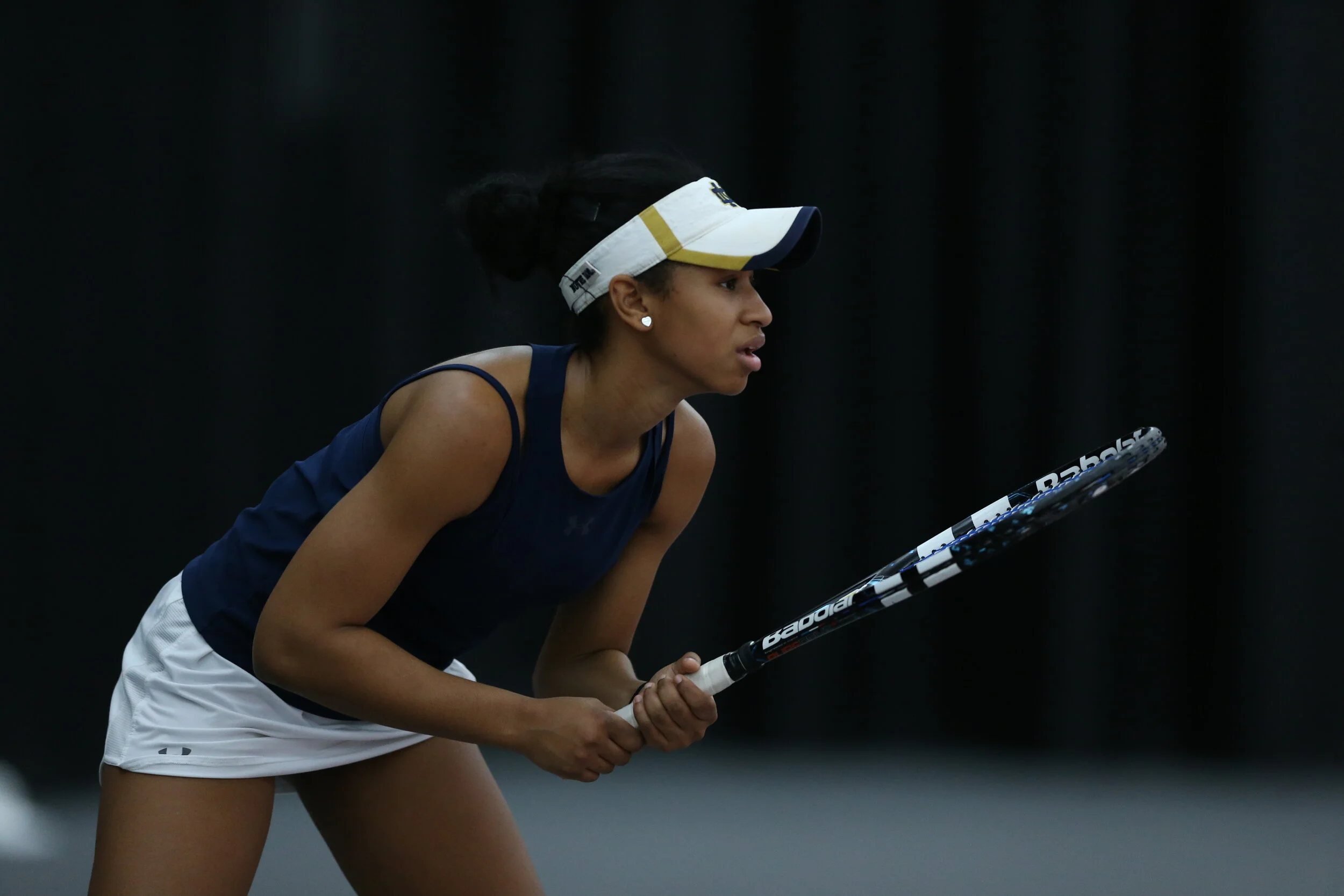
First, creating an inclusive community lays the foundation for current and future success. As the team’s only African American player, creating an inclusive team environment has required me to be resilient— this has not always been easy. It’s important though, because it not only results in success, as demonstrated by my team’s climb to a Top 25 national ranking, but because future players deserve to start with a foundation that values the ideas and contributions that each of us has to offer. I think this parallels the situation of our country as we face a global pandemic. What our citizens do together now will indeed have a huge impact on the future health, economic, cultural and social well-being of our country.
Second, pro-active leadership isn’t just about the actions of the captain. Although this year I am a team captain, I know from the past three years that leadership extends to individual actions. It’s things like going in for extra weight lifting sessions, pushing yourself during fitness, and skipping parties to catch up on sleep. Any successful collegiate athlete will tell you that taking responsibility for one’s own actions is a critical component of team success. To this point, right now for Millennials and Generation Zers like me, this includes taking responsibility for our own actions regarding social distancing and putting into action other recommended health guidelines.
Third, uplifting and supporting one another can help people to transcend individual circumstances, even those we may not be aware of. In 2018 I launched FreshSuspence (#freshsuspence), a national campaign that allows student-athletes to share their everyday life experiences. You would be surprised at the number of heartfelt messages I receive from people telling me how they appreciate knowing that others share their experiences. It’s important right now for us to remember that the current emphasis on self-isolation does not mean we shouldn’t find ways to support one another. Quite the opposite, it means we have to try harder to be there for each other.
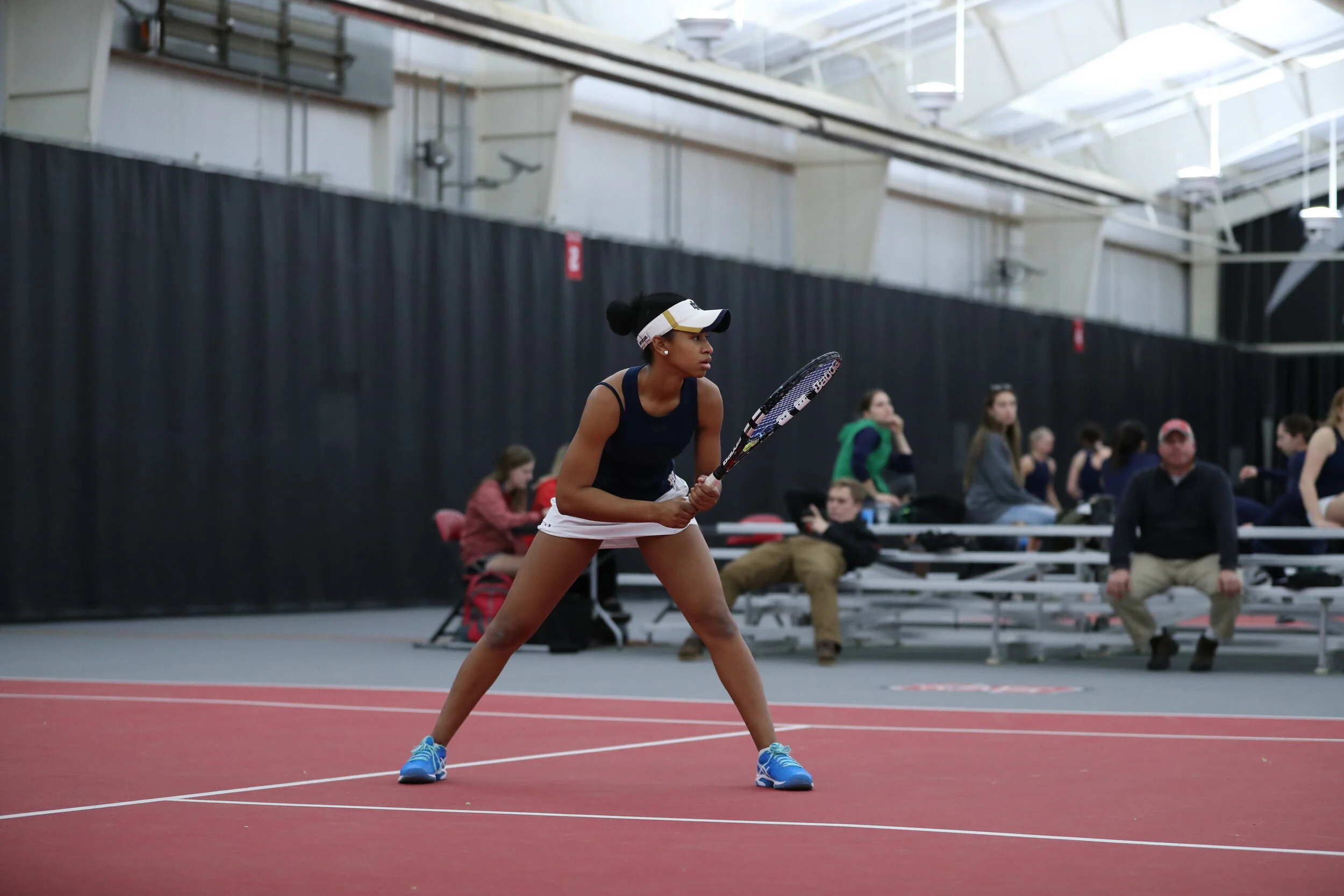
Some of you reading this might be tempted to think that what I have said is insignificant in relation to the current harrowing health crisis. Or, you might chalk up the lessons I have mentioned as mere ‘locker room pep talk’. However, I would argue that when you consider the NCAA indicates that there are over 460,000 student-athletes, and immense viewership numbers like the 100+ million live streaming audience of the 2019 March Madness tournament, it becomes obvious that collegiate student-athletes do matter. And, the skill-sets and learnings we use to succeed can hardly be dismissed as inconsequential.
In about a month and a half, my college athletic career might come to an end. The journey beyond collegiate athletics and our country’s journey with life during and after COVID-19 are filled with uncertainty. Student-athletes, however, leave you with valuable lessons that can be applied outside the field of sports. I hope these inspire you!